
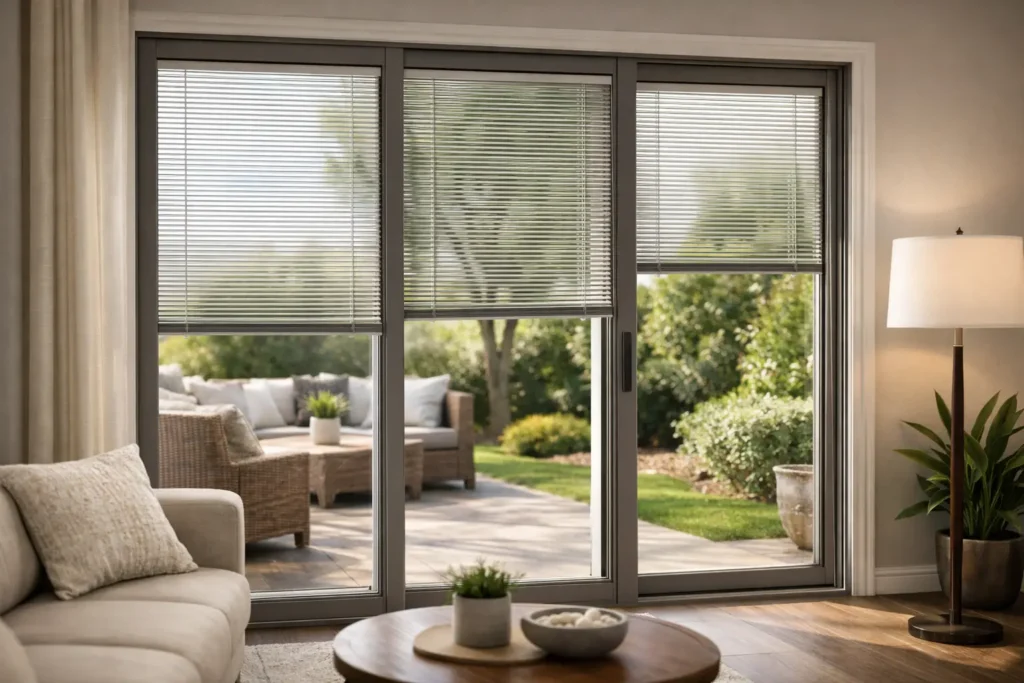
Internal Blinds Patio Door: What to Know
A patio door should make daily life easier, not give you one more thing to clean, adjust, or work around. That is why an internal blinds patio door gets a lot of attention from homeowners who want privacy, light control, and a cleaner look without hanging curtains or dealing with dusty slats.
The idea is simple. The blinds sit between two panes of glass, protected inside the door unit instead of exposed to the room. For some homes, that is a smart, low-maintenance upgrade. For others, it is not the best fit. The right answer depends on how you use the door, how much direct sun it gets, and whether your priority is convenience, appearance, repairability, or budget.
Why homeowners choose an internal blinds patio door
The biggest appeal is convenience. Traditional blinds on a patio door can bang against the glass, catch on handles, collect dust, and wear out faster in high-traffic areas. When the blinds are sealed inside the glass, they stay cleaner and look more streamlined.
That matters in busy spaces like kitchens, family rooms, and back entries where patio doors get opened constantly. If you have kids, pets, or frequent guests, exposed blinds can take a beating. Internal blinds remove that problem because there is nothing hanging in the room to bend, pull, or tangle.
They also offer a neat, built-in appearance. Homeowners who prefer a cleaner sightline often like the fact that the door looks finished without adding extra window treatments. In modern homes, that can be a major advantage. In more traditional homes, it can still work well if the frame style and grille pattern match the rest of the house.
How internal blinds in patio doors actually work
Most internal blind systems are built into insulated glass. The blinds are enclosed between panes, and they are operated with a slider, knob, or magnetic control mounted on the door. Depending on the model, you may be able to raise, lower, and tilt the blinds, or only tilt them for light control.
That difference matters more than people expect. Some homeowners assume every internal blind unit works like a standard blind. Not always. A tilt-only system may give you privacy and glare control, but it will not fully clear the glass. If you want a wide-open backyard view during the day, make sure the operating style matches that goal.
Glass type matters too. Patio doors already do a lot of work. They need to handle weather, insulation, traffic, and security. Adding internal blinds changes the overall glass package, so quality of construction becomes especially important. A well-built unit should feel smooth to operate and solid at the frame, not flimsy or rattly.
The main advantages
The low-maintenance factor is real. Since the blinds are sealed inside the glass, they are protected from grease, dust, moisture, and everyday handling. That makes them especially appealing near cooking areas, pool access points, or doors that see a lot of fingerprints.
Privacy is another strong benefit. Internal blinds let you block visibility without installing curtains, rods, or vertical blinds that can look bulky. If your patio faces close neighbors, that built-in privacy can make the room feel more comfortable.
They can also help with light control. Afternoon sun across a back door can create glare, fade flooring, and heat up the room. With enclosed blinds, you can soften that sun without sacrificing the clean look of the door.
For many homeowners, safety and simplicity are part of the decision too. There are no dangling cords, fewer parts exposed to damage, and less visual clutter around the glass.
The trade-offs most people should consider
An internal blinds patio door is not automatically the best long-term value for every home. The first trade-off is cost. Doors with built-in blinds usually cost more than comparable clear-glass units. If your main goal is to replace a worn patio door at the lowest possible price, standard glass plus a separate treatment may be more budget-friendly.
Repair is another consideration. Because the blinds are sealed inside the glass unit, you cannot just take them out and fix them the way you might repair a standard blind. If the internal mechanism fails or the insulated glass seal breaks, the solution is usually glass replacement or panel replacement, not a quick parts swap in the room.
That does not mean they are unreliable. Many perform well for years. But when a problem happens, the repair path is different and sometimes more expensive.
There is also the style question. Built-in blinds look clean, but clean is not the same as warm. Some homeowners still prefer the softness and decorative value of fabric treatments. If the patio door is a focal point in the room, internal blinds may feel more practical than customized.
Internal blinds patio door options for different homes
The best choice often comes down to door type and use pattern. Sliding patio doors are a common match because exterior-hung blinds can be awkward on a slider. Internal blinds avoid that issue and keep the operation area clear.
French patio doors can also work well with internal blinds, especially when homeowners want privacy without adding rods or panels over each leaf. The look is tidy, and there is less chance of blinds interfering with hardware or swing clearance.
If your door opens to a covered porch and gets limited sun exposure, the blinds may simply be a convenience feature. If it faces strong western sun, they become more of a comfort and glare-control feature. In other words, the value of the upgrade depends on the room.
When repair makes more sense than replacement
This is where an experienced door and glass company can save you money. Not every issue means you need a brand-new patio door. If the frame is in good shape and the problem is limited to failed glass, damaged hardware, rollers, or alignment, repair may be the smarter move.
That is especially true if you already have a quality patio door and the operating panel still fits the opening properly. Replacing insulated glass or correcting door function can often restore performance without the cost and disruption of a full tear-out.
On the other hand, if the door has multiple problems at once – fogged glass, worn rollers, frame damage, air leaks, and outdated efficiency – replacement may be more practical. The key is to evaluate the full condition of the unit, not just the most visible symptom.
For homeowners in the Atlanta area, that kind of repair-versus-replace guidance matters. Heat, humidity, and heavy sun exposure can affect glass performance and door components over time, so it helps to work with a contractor who understands both installation quality and long-term serviceability.
What to look for before you buy
Start with operation. The control should feel smooth and consistent, not stiff or loose. If possible, test it more than once. Patio doors are used daily, and small annoyances become big ones fast.
Next, look at the overall door construction. A built-in blind feature does not make up for a weak frame, poor weatherstripping, or cheap rollers. Good performance still starts with the basics – solid materials, proper fit, quality glass, and correct installation.
Ask about replacement parts and service options as well. Some units are easier to support over time than others. That matters if you plan to stay in the home and want a door that can be maintained rather than fully replaced at the first issue.
Energy efficiency should also be part of the conversation. The door needs to do more than look good. It should help manage heat transfer, seal properly, and hold up under regular use.
Is this the right choice for your patio door?
If you want a cleaner look, easier upkeep, and built-in privacy, an internal blinds patio door can be a very practical upgrade. It works especially well in high-traffic spaces where traditional blinds get damaged or simply become a hassle.
If your top priority is the lowest upfront cost, easy blind replacement, or a more decorative room design, you may want to compare other options. There is no single right answer for every house.
The best patio door decisions come from looking at the full picture – how the door is used, what condition it is in, how much privacy you need, and whether repair or replacement gives you better long-term value. A good contractor should help you sort that out clearly, without pushing you toward more work than you actually need.
A patio door gets used too often to be chosen on appearance alone. The right one should look good on day one and still work the way it should after years of opening, closing, sunlight, and everyday life.