
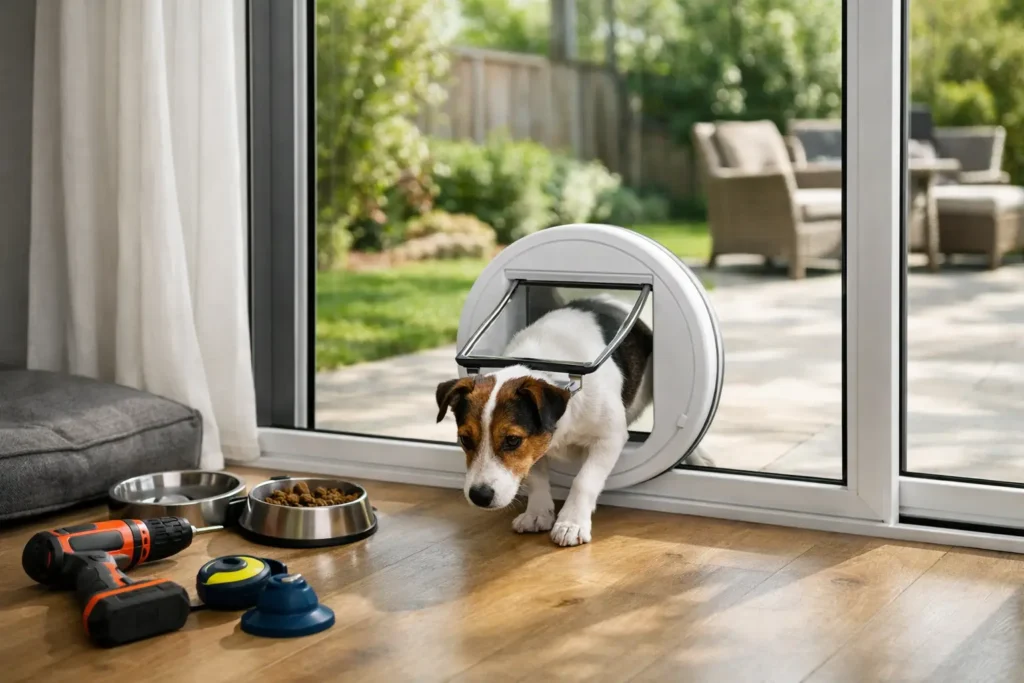
Pet Door Installation in Glass Door Guide
A pet door in a glass door sounds simple until you remember what that glass is doing. It is carrying sightlines, insulation, security, and in many homes, tempered safety requirements. That is why pet door installation in glass door systems is not a cut-it-yourself weekend project in most cases. Done right, it gives your pet freedom without leaving you with cracked glass, a drafty opening, or a door that no longer looks finished.
For homeowners, the real question is not just whether a pet door can go into glass. It is whether it can be done cleanly, safely, and in a way that still fits the door you already have. In many cases, the answer is yes, but the path depends on the type of glass, the door style, and how much you want to preserve versus replace.
What makes pet door installation in glass door systems different
Glass is not like wood or vinyl. You cannot usually cut into an existing tempered glass panel after it has been manufactured. Most sliding glass doors, patio doors, and many full-lite entry doors use tempered glass for safety. Once that panel is tempered, it must stay intact. Trying to drill or cut it after the fact usually causes the entire pane to shatter.
That changes the job completely. Instead of modifying the glass already in your door, the usual solution is to order a new glass panel made to the correct size, with a factory-cut opening for the pet door insert. Then the old glass is removed and the new panel is installed. The pet door is fitted into that prepared opening so the final result looks intentional, not improvised.
This is also where experience matters. Measuring the visible glass is not enough. The full insulated glass unit, the frame dimensions, glass thickness, spacer details, and door tolerances all affect whether the replacement panel will fit and perform correctly.
Which glass doors can accept a pet door
Several door types can work, but they do not all involve the same process. Sliding glass patio doors are among the most common candidates. Some homeowners choose a temporary panel insert that fits in the track, while others prefer a built-in pet door installed in a replacement glass panel for a more permanent, polished look.
French doors with large glass lites can also be modified, provided the glass is replaced properly. Full-view exterior doors are another option, although the height of the bottom rail and the size of the glass opening may affect placement.
Storm doors are a separate category. Some can take a pet door more easily than insulated patio doors, but lightweight construction can limit durability. Commercial storefront doors can sometimes be adapted as well, though hardware, traffic flow, and code requirements may come into play.
What usually does not work is the idea of taking a hole saw to the glass you already have. If the goal is a lasting result, the better route is to evaluate the existing door and determine whether replacement glass, a custom insert, or a different door solution makes the most sense.
Repair, restore, or replace – choosing the smart approach
This is one of those projects where one answer does not fit every home. If your current glass door is in good condition and the frame is solid, replacing only the glass panel may be the most efficient option. You keep the door you like, avoid a full door replacement, and still get the pet access you want.
If the door already has fogged insulated glass, worn rollers, damaged tracks, or failing seals, it may be worth addressing those issues at the same time. Sometimes the smartest investment is not just a pet door opening but a broader door restoration. In other cases, if the door is outdated or poorly functioning, full replacement may actually save money over piecemeal work.
That practical, repair-first mindset is often what separates a good recommendation from a sales pitch. A contractor should be able to explain whether your door can be preserved, improved, or should be replaced, and why.
Sizing the pet door correctly
The opening has to fit your pet, but that does not mean bigger is always better. A pet door that is too large can weaken the visual balance of the glass, reduce privacy, and make climate control less efficient. It can also create a lower opening that feels less secure.
A proper fit starts with your pet’s shoulder height and width, along with how your pet moves through openings. Older dogs may need a lower rise. Active pets may benefit from a little extra clearance, but not so much that the flap becomes oversized and heavy.
Placement matters too. The pet door should sit at a comfortable height while still working within the structure of the replacement glass panel. On some doors, available glass area limits where the opening can go. That is why field measurement and planning come before ordering custom glass.
Energy efficiency and security concerns
Homeowners are right to ask whether a pet door will make the house drafty or less secure. It can, if the product is poorly chosen or poorly installed. Better pet door assemblies use insulated flaps, tight weatherstripping, and locking cover panels. Those details make a real difference, especially on doors that get direct sun, wind, or frequent use.
Security also depends on placement and product quality. A professionally installed pet door should fit tightly in the prepared opening and include hardware designed for exterior use. The surrounding glass panel should remain properly glazed and sealed so you are not trading convenience for a compromised door system.
There is always some trade-off when you create an access point through an exterior opening. The goal is to manage that trade-off well. For many households, the convenience is absolutely worth it, but only when the installation respects the door’s original performance.
Why custom glass work matters
This is where craftsmanship shows. A pet door in glass should not look like an afterthought. The cutout needs to be correctly located, the glass unit has to match the original door system, and the final fit should be square, weather-tight, and visually clean.
With insulated glass, details such as thickness, tint, low-E coating, and spacer type may need to match the existing panels nearby. If they do not, the door can end up looking uneven from the outside or performing differently from one panel to the next.
For homeowners in the Atlanta area, heat, sun exposure, and humidity make proper glass selection even more important. A well-built replacement panel helps maintain comfort while giving you the function you want.
What the installation process usually looks like
The first step is evaluation. The installer checks the door type, confirms the glass construction, measures the panel accurately, and helps select the right pet door size and style. If the job requires custom insulated glass, that panel is ordered with a pre-cut opening.
Once the replacement glass is ready, the existing panel is carefully removed. The new panel is installed into the door frame, sealed correctly, and the pet door assembly is mounted into the prepared opening. Final adjustments help ensure the flap swings properly, locks as intended, and seals against weather.
Most homeowners appreciate that this approach avoids unnecessary demolition. You are not rebuilding the whole doorway. You are replacing a specialized component with one built for the new purpose.
Common mistakes to avoid
The biggest mistake is assuming all glass can be modified in place. It usually cannot. Another is choosing the pet door before confirming what the door can structurally accept. Good planning works in the opposite order.
It is also easy to underestimate the importance of clean measurements. Being off by a small amount in glass work can turn into a costly reorder. And while cheaper pet door products may look similar online, exterior durability, flap seal quality, and frame rigidity vary a lot.
Finally, do not ignore the condition of the existing door. If the rollers drag, the frame is loose, or the glass is already failing, adding a pet door without solving those issues can leave you with a door that still underperforms.
When professional installation is the better choice
A glass pet door project is really a glazing project with carpentry and hardware considerations built in. That combination is why professional installation is usually the safer route. You want someone who understands glass specifications, door function, and finish quality, not just someone willing to cut a hole in a panel.
A qualified installer can also tell you when a different solution would serve you better. Sometimes a side panel, a lower-cost door insert, or a replacement door slab is the smarter answer based on budget and long-term use. That kind of guidance protects both your investment and your home.
If you want a pet door without turning a good glass door into a problem, take the time to do it the right way. The best result is not just an opening for your dog or cat. It is a finished door that still looks sharp, works properly, and feels like it belonged there from the start.