Commercial Storefront Glass Repair: What to Fix
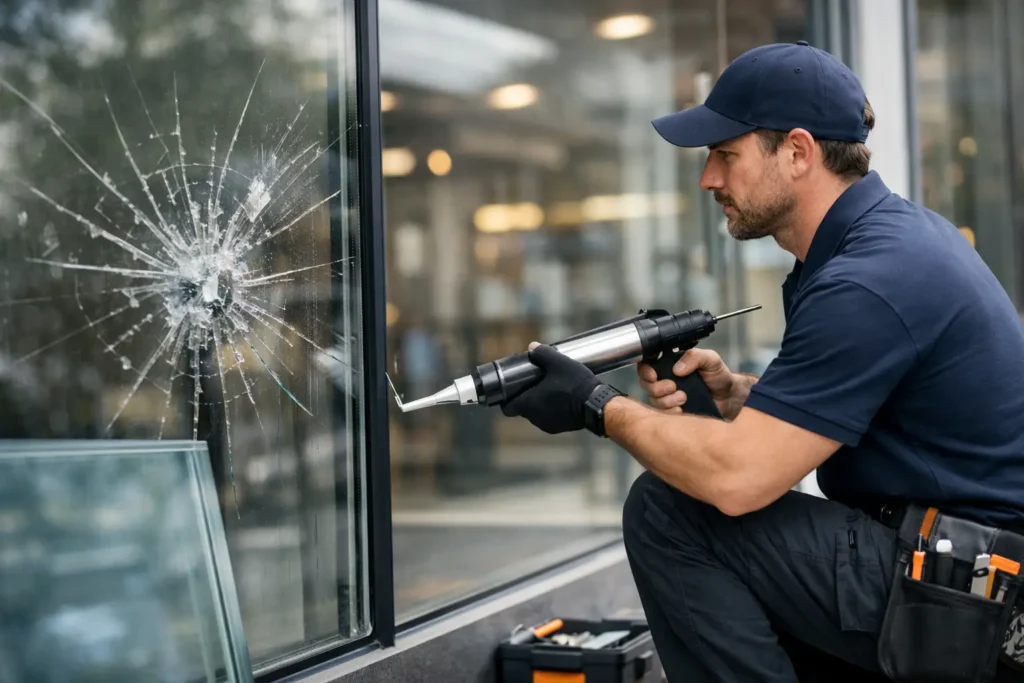
A cracked storefront pane changes more than the appearance of your business. It can create a safety concern, weaken security, allow water and air into the building, and leave customers questioning whether the property is being maintained. Commercial storefront glass repair addresses those immediate risks while helping business owners make a practical decision about what can be restored and what needs replacement.
For a retail shop, office, restaurant, medical practice, or mixed-use property, the right solution is rarely just about installing new glass as quickly as possible. The condition of the glass, frame, door hardware, seals, and surrounding system all matter. A qualified glazing professional should identify the source of the problem before recommending the work.
When Commercial Storefront Glass Repair Is the Right Choice
Repair is often the most efficient path when damage is contained and the storefront system remains structurally sound. A small chip, a failed seal in an insulated glass unit, worn glazing, or loose hardware may be addressed without replacing the entire storefront.
A repair-first approach can protect your budget and reduce disruption to daily operations. This is especially valuable when the existing aluminum frame, entrance door, and surrounding glass panels are in good condition. Reusing sound components also helps preserve the building’s original look, which can matter in established retail centers, historic commercial properties, and professionally designed office spaces.
That said, not every damaged pane is a repair candidate. A large crack, broken tempered glass, compromised laminated glass, or damaged framing requires a more substantial solution. Safety glass is designed to behave in specific ways when it fails. Tempered glass breaks into small pieces, while laminated glass is built to hold together around an interlayer. Each situation needs to be evaluated based on the glass type, location, and level of damage.
Common storefront problems that may be repairable
Storefront glass issues do not always begin with an obvious break. Many problems develop gradually through weather exposure, daily foot traffic, building movement, or aging components.
Fogging between panes can indicate a failed insulated glass seal. In many cases, the insulated glass unit can be replaced while the existing frame remains in place. Drafts and water intrusion may come from deteriorated perimeter seals, failed caulking, blocked drainage paths, or glazing that has loosened over time. Addressing these details early can prevent damage to interior finishes and reduce the chance of a larger failure later.
Entrance systems also deserve close attention. A storefront door that drags, will not latch, slams shut, or leaves a gap at the edge can strain the glass and frame around it. The issue may involve pivots, hinges, closers, weatherstripping, thresholds, locks, or alignment. Repairing the hardware and correcting the door operation can extend the life of the whole entry system.
What Happens During a Storefront Glass Assessment
A proper assessment starts with more than measuring the broken opening. The technician should inspect the pane, frame, glazing channels, seals, adjacent panels, door operation, and signs of water damage. If the glass broke without an obvious impact, the assessment should also consider frame pressure, installation problems, thermal stress, or movement in the building.
Measurements must be exact. Commercial storefront systems commonly use tempered, laminated, insulated, tinted, low-emissivity, or specialty safety glass. The replacement has to fit the opening and meet the performance needs of that specific location. A street-facing pane beside a busy entrance may call for a different glass configuration than an interior office partition or a high panel above a door.
For businesses in the Atlanta metro area, heat, humidity, heavy rain, and seasonal temperature changes can expose weak seals and aging glazing materials. A repair that looks acceptable on a mild day may fail quickly if the underlying water-management issue is left unresolved. Careful preparation and correct sealing are part of a durable result, not an optional finishing step.
Repair or Replacement: Making the Practical Call
The choice between repair and replacement depends on the condition of the whole system, not simply whether the glass is cracked. Replacing only the damaged component is sensible when the frame is straight, corrosion is limited, the system drains properly, and matching glass is available. It is often the least disruptive option for a business that needs to maintain a polished appearance and stay operational.
Replacement becomes the stronger investment when there is widespread seal failure, repeated leaks, significant frame damage, obsolete components, or multiple panes showing age-related deterioration. It may also make sense when a property owner wants better energy performance, stronger security glass, updated tinting, or a more modern entrance design.
There are trade-offs. A targeted repair generally costs less upfront and can preserve usable materials. A larger replacement may cost more initially but reduce recurring service calls and improve long-term performance. The best recommendation should be based on the actual condition of the storefront, the building’s use, and your plans for the property – not on a one-size-fits-all sales approach.
Security and code considerations
Storefront glass is part of your building’s security plan. Ground-level panes and entry doors are exposed to accidental impact, attempted break-ins, carts, deliveries, and constant public use. Depending on the opening, laminated safety glass or another upgraded glass option may provide better resistance and help keep the opening intact after impact.
Local code requirements and property management standards can also affect the selection. Safety glazing is commonly required near doors and in hazardous locations. If a storefront is being altered, upgraded, or rebuilt after significant damage, the replacement may need to meet current requirements even if the original system was installed years ago.
An experienced contractor can help distinguish between a simple like-for-like repair and a project that needs a code-conscious upgrade. That guidance helps avoid ordering the wrong material, delaying a reopening, or paying twice for corrective work.
Reducing Business Disruption During Glass Work
A broken storefront does not always happen at a convenient time. Business owners need a repair plan that protects the property without turning the job into a prolonged interruption for staff and customers.
For urgent damage, securing the opening is the first priority. Temporary protection can limit weather exposure and restrict access while the correct glass is measured, fabricated, and scheduled for installation. The final installation should include careful removal of broken material, protection of nearby finishes, cleanup, and a check of the surrounding frame and door system.
Scheduling matters as well. Some installations can be planned before opening, after closing, or during a lower-traffic period. Larger glass panels may require additional handling space and coordination, particularly in busy shopping centers or properties with limited access. Clear communication about lead times, glass availability, and site conditions makes the process easier for everyone involved.
Why Workmanship Matters in Storefront Glass Repair
Commercial glass repair is detail-driven work. A pane can look properly installed from the sidewalk while still having poor edge support, inadequate sealant adhesion, incorrect setting blocks, or drainage issues that lead to future problems. Those details affect performance, appearance, and the life of the glass.
Atlanta Window, Door & Glass takes a practical, craftsmanship-led approach to repair and replacement work. That means looking beyond the visible break, matching the right solution to the condition of the system, and completing the work with respect for your property and business operations.
If your storefront has a crack, leak, fogged pane, loose glass, or entrance door that no longer operates correctly, do not wait for a minor issue to become an emergency. A timely professional inspection can clarify whether a focused repair will protect your investment or whether replacement is the better long-term move.