
How to Fix Foggy Windows Without Replacing Them
Fog trapped between window panes is more than a cosmetic annoyance. It can make a well-kept room look neglected, block natural light, and signal that the insulated glass is no longer performing as designed. Knowing how to fix foggy windows starts with identifying where the moisture is located, because condensation on a surface and haze inside a sealed glass unit require very different solutions.
For many homeowners, foggy glass does not automatically mean a full window replacement. A qualified window professional can often replace the insulated glass unit or repair the affected sash, preserving the existing frame and avoiding unnecessary construction. The right choice depends on the age, condition, and construction of the window.
First, Find Out Where the Fog Is
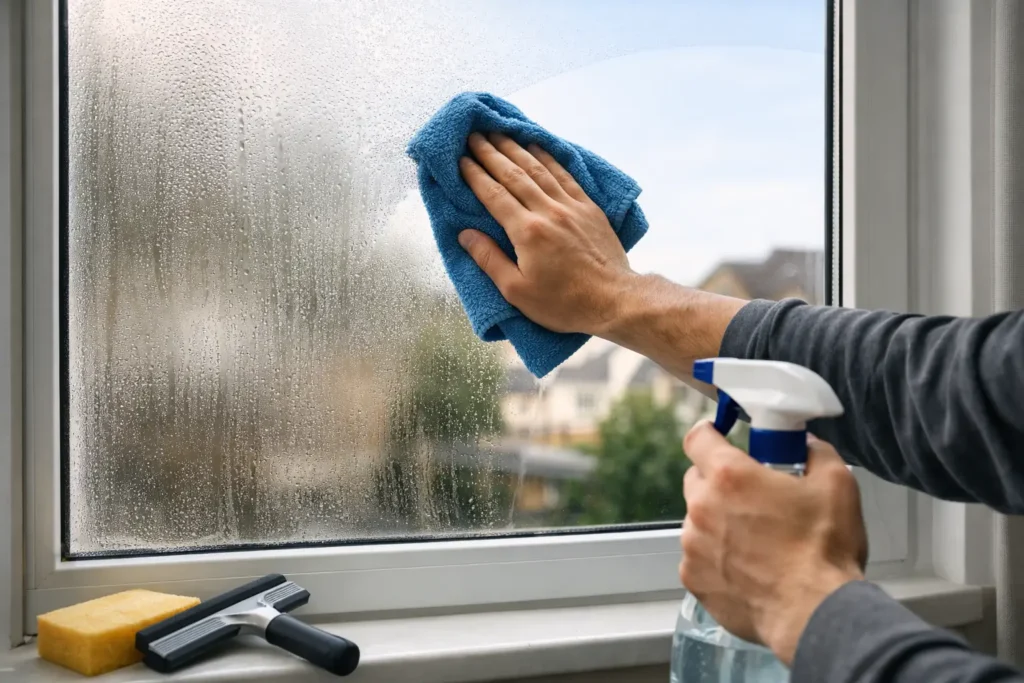
Wipe the inside surface of the glass with a clean, dry microfiber cloth. Then check the exterior surface. If the moisture wipes away, it is ordinary condensation, not a failed window. If the haze, droplets, or white film remain sealed between two panes of glass, the insulated glass unit has likely failed.
Most modern double-pane and triple-pane windows are insulated glass units, often called IGUs. They are built with two or more panes separated by a spacer and sealed around the perimeter. The air space may contain dry air or an insulating gas such as argon. When the perimeter seal breaks down, humid air enters the space between the panes. That moisture condenses, leaves mineral deposits, and creates the familiar cloudy appearance.
In Atlanta-area homes, seasonal humidity can make a failed seal especially noticeable. Warm, moist outdoor air and air-conditioned interiors create conditions that expose weak seals quickly. Still, humidity does not usually cause the seal failure by itself. Age, sun exposure, building movement, damaged glazing, and worn materials are common contributors.
How to Fix Foggy Windows With a Failed Seal
When fog is between the panes, cleaning the room-side glass will not solve the problem. The lasting repair is to address the failed insulated unit itself.
Replace the insulated glass unit
For a window with a solid frame, functioning hardware, and no major wood rot or water damage, replacing the glass unit is usually the most practical option. A glass professional measures the opening precisely, orders a new sealed unit, removes the damaged glass, and installs the replacement while retaining the existing window frame and, in many cases, the sash.
This approach can cost less and create far less disruption than replacing the entire window. It is especially worthwhile when the windows are otherwise in good condition or when you want to preserve a particular style, finish, or custom trim detail.
A properly matched replacement unit should account for glass thickness, spacer color, grid pattern, tint, safety-glass requirements, and energy performance. A unit that is slightly off in size or build can lead to poor fit, water intrusion, or another premature seal failure. Precision matters here.
Replace the sash when the glass is not the only issue
Sometimes the insulated unit can be replaced, but the sash has additional problems: warped material, loose muntins, failing balance components, damaged glazing channels, or deterioration around the glass. In that case, a replacement sash may offer a cleaner, longer-lasting result than glass-only work.
Sash replacement keeps the existing window frame in place, which can limit interior and exterior disruption. It is a good middle ground when the frame remains sound but the operable portion of the window has reached the end of its useful life.
Replace the full window when the frame has failed
Whole-window replacement makes more sense when foggy glass is only one symptom of a larger problem. Signs include soft or rotted wood, persistent leaks, cracked frames, severe drafts, difficulty opening or locking the window, or repeated failures across aging units.
Full replacement is the larger investment, but it can improve comfort, operation, appearance, and energy efficiency at the same time. It may also be the better value if several components need attention. The key is to avoid replacing an entire window solely because one insulated glass unit has failed when the rest of the assembly is still serviceable.
What About Defogging Services?
Some services drill small holes in the glass, remove moisture, and add vents or drying agents. This can improve visibility in certain situations, but it does not restore the original factory seal or the insulating performance of the glass unit. The result can be temporary, and the window may continue to lose energy through the compromised unit.
Defogging may be considered when replacement glass is unavailable, when the budget is extremely limited, or when a short-term visual improvement is the only goal. For a dependable long-term repair, replacement of the failed insulated unit is generally the stronger choice.
Be cautious with do-it-yourself drilling, sealants, or online repair kits. Tempered glass can shatter unexpectedly, low-emissivity coatings can be damaged, and an improper repair may void a manufacturer warranty. More critically, working around glass without the right tools and protective equipment creates a real injury risk.
If the Moisture Is on the Glass Surface
Surface condensation calls for a different response. Interior condensation occurs when warm, humid indoor air touches a colder window surface. A small amount during a sharp temperature change can be normal. Persistent moisture, especially if it runs down the glass or collects on sills, deserves attention because it can damage paint, wood trim, and nearby flooring.
Start by reducing indoor humidity. Use bath and kitchen exhaust fans, make sure dryers vent outdoors, and avoid blocking supply registers with furniture or heavy drapes. A dehumidifier can help in rooms that consistently feel damp. Keep blinds and curtains open periodically so warm room air can circulate across the glass.
Exterior condensation is usually less concerning. It often appears early in the morning when the outdoor air is humid and the glass surface is cooler than the dew point. In fact, exterior condensation can occur on efficient windows because they keep less indoor heat from warming the outer pane. It typically disappears as the day warms.
How to Tell Whether Repair Is Worth It
A professional assessment should look beyond the fog itself. The condition of the frame, sash, weatherstripping, locks, screens, glass stops, and surrounding trim all affect the decision. A repair-first approach is often a smart fit for a single failed pane, a few isolated units, or windows with quality frames that still operate well.
Replacement becomes more compelling when the same problems appear throughout the home. If many windows have broken seals, drafty frames, difficult operation, and visible age-related wear, coordinating replacements may produce better long-term value than making repeated individual repairs.
Consider the window’s location as well. A failed seal in a fixed picture window may be straightforward to repair. A foggy pane in a large upper-story opening, a specialty-shaped window, or a door with built-in glass can require different materials and installation methods. Safety glass is often required in doors, sidelights, bathrooms, and areas near floors, so the replacement must meet the proper application standards.
Protect New Glass From Early Failure
No insulated glass unit lasts forever, but good installation and basic maintenance can help maximize service life. Keep weep holes and sill drainage paths clear so water does not sit around the sash. Inspect exterior caulking and trim periodically, particularly after severe storms. Address cracked glazing, loose stops, and damaged weatherstripping before water reaches more vulnerable components.
Avoid pressure washing directly at window edges. High-pressure water can force moisture into areas that are designed to shed normal rain, not withstand a concentrated spray. When cleaning, use mild products and soft cloths rather than abrasive pads that can scratch glass or damage coatings.
If you notice fogging soon after a new installation, document it and ask about the warranty. Many insulated glass units carry coverage for seal failure, although terms vary by manufacturer and product line. Prompt attention can prevent a minor warranty issue from becoming a larger repair.
Get a Clear Answer Before Choosing Replacement
Foggy windows are frustrating because the problem is visible every day, yet the repair is not always obvious from the room. A careful inspection can determine whether you are dealing with normal condensation, a failed insulated glass unit, a damaged sash, or a window that truly needs replacement.
Atlanta Window, Door & Glass helps homeowners evaluate repair, restoration, and replacement options based on the actual condition of the window, not a one-size-fits-all recommendation. A clear pane, a sound seal, and a properly fitted repair can restore both the view and the confidence you should have in your home’s windows.